

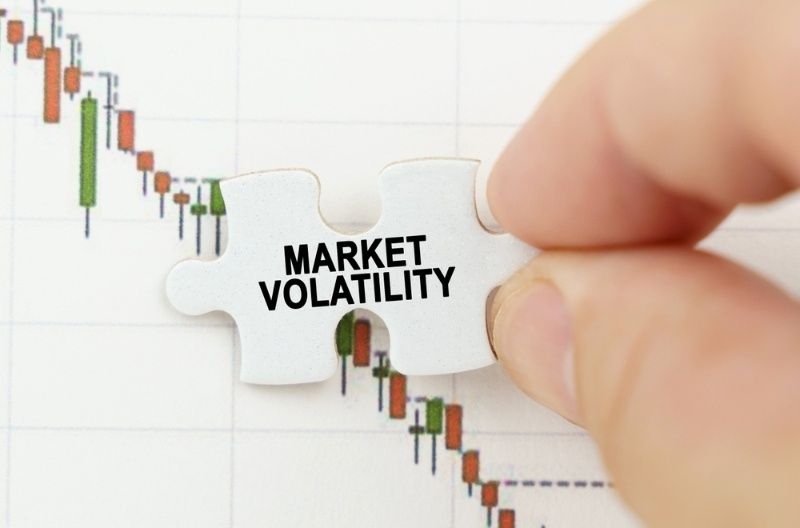
Financial markets do not always go up or down smoothly. Prices can go up or down. Swing a lot in a short time. These big changes are called market volatility. They can make investors worried about their money. Market volatility is a normal part of investing. News, global events, inflation numbers, company profits, and investor sentiment can all drive market movements.
Even though sudden drops can be scary, volatility also gives investors chances to make good decisions. Understanding volatility and being ready for surprises can help reduce investment risk in the stock market and keep you on track with your long-term financial goals.
Markets are affected by many factors. Things like changes in interest rates, employment reports, and inflation data can move markets quickly. When there is trouble in politics, fighting around the world, and changes in rules, it makes people unsure, which affects how confident investors feel. How well companies do also matters a lot. When companies make a lot of money, their stock prices go up. When they do not do well, people sell their stocks quickly.
The way investors think and feel also drives markets up and down. When people are scared, they. When they are excited, they buy, which often makes prices move too much. Markets get really crazy when a lot of investors are feeling the same emotions at the same time, like fear or excitement, which makes markets move even more.
Try This: Investment Risk Tolerance: Align Your Portfolio Smartly
All investments involve some level of risk in the stock market. Risk means you might lose some or all of the money you put in because the prices go down. Knowing about these risks helps investors make plans to manage their financial risks. There are kinds of risks to think about:
Many investors get scared when markets fall quickly. Investing when markets are unstable can be good for the long run. Market drops often let investors buy assets at lower prices. When markets recover, these investments might make a lot of money.
Volatile times also help investors be more disciplined. They use plans like investing a fixed amount and averaging the cost of their investments. These methods lessen the effect of short-term price changes. Investors who stay calm and keep investing instead of reacting to emotions often gain when markets settle down. Historical data shows that markets usually bounce back over time with temporary drops.
Protecting your portfolio does not mean avoiding risk entirely. Instead, it involves managing risk wisely while maintaining growth potential.
Spreading investments across stocks, bonds, commodities, and real estate reduces dependence on a single asset. When one asset performs poorly, others may balance the loss.
Investing across industries helps prevent concentrated losses. Economic changes affect industries differently, so diversification improves stability.
Adjusting the percentage of equities, fixed-income securities, and cash based on risk tolerance helps maintain balance during market fluctuations.
Defensive stocks such as utilities, healthcare, and consumer essentials tend to remain stable during downturns because demand for their products stays consistent.
Maintaining liquidity allows investors to avoid selling assets at losses during emergencies.
Essential Reads: Smart Investing Through Portfolio Diversification Today
Effective financial risk management focuses on preparation and discipline rather than reaction.
Over time, certain assets may grow faster than others, shifting portfolio balance. Rebalancing restores original allocations and prevents excessive exposure.
Stop-loss orders automatically sell investments when prices fall below a set level, limiting potential losses.
Advanced investors use options or inverse exchange-traded funds to offset potential losses during extreme market downturns.
Investments aligned with long-term goals are less affected by short-term volatility. Retirement planning, for example, benefits from patience and compounding.
Understanding personal risk tolerance helps investors choose suitable asset allocations and avoid emotional decisions.
Market changes affect investors in different ways, depending on what they want to achieve with their money and when they need it. Knowing how you like to invest helps you figure out the way to handle things when the market is unstable:
People often make investment choices because of how they feel. When people are scared, they sell their stuff when the market is down. That means they lose money. When the market is up, people can get too confident. Take too many risks.
It is really important to keep your emotions in check when it comes to your investments. You should make decisions based on what you have learned and what you plan to do in the run. You should also get advice from an expert instead of just watching the news. If you write down your investment plan, it can help you make choices when the market is all over the place.
These practices help reduce stress and improve decision-making during market movements that are hard to predict.
Market ups and downs are a fact of life. That doesn't mean you can't reach your investment goals. Knowing the risks of the stock market, taking steps to protect your portfolio, and having a plan to manage financial risks can help you get through tough times.
Investing when the market is volatile takes patience, spreading your investments around, and keeping your emotions in check. The market may go up and down, causing problems, but investors who are prepared can handle risks and find opportunities that will pay off in the long run. A clear plan for investing can make uncertain times feel more manageable.
Read More: Value Investing Principles from Warren Buffett for Beginners
Not always. While it increases short-term risk, volatility can create buying opportunities for long-term investors.
Diversification, proper asset allocation, and disciplined investing strategies help reduce overall risk.
Selling during downturns may lock in losses. Long-term investors often benefit by staying invested.
Bonds, defensive stocks, gold, and cash equivalents are generally considered safer options.
This content was created by AI